
Deep learning analyzes chemical and sensory data to break down complex wine tasting notes into precise flavor profiles. Using neural networks, this technology recognizes patterns associated with fruity, spicy, earthy, and other tasting notes, providing objective insights that go beyond subjective senses. It helps you understand what influences a wine’s flavor and makes matching wines to your preferences easier. Keep exploring to discover how these advanced techniques can deepen your appreciation of wine’s nuances.
Key Takeaways
- Deep learning models analyze chemical and sensory data to objectively break down complex tasting notes into identifiable flavor components.
- Neural networks recognize patterns correlating specific chemical compounds with flavor descriptors like fruity or earthy.
- These models enable precise classification of wines based on nuanced tasting notes, improving flavor profiling accuracy.
- Deep learning helps decode hidden relationships between chemical profiles and subjective sensory impressions.
- Advanced AI-driven analysis supports personalized wine recommendations by understanding individual flavor preferences.

Deep learning is transforming how we comprehend and analyze wine flavors, offering more precise and detailed profiles than traditional methods. This technological leap allows you to move beyond subjective tasting notes and tap into a data-driven approach that captures the complexity of wine’s aroma and taste profiles. At the core of this innovation are neural networks, which excel at learning intricate patterns within large datasets. When applied to wine flavor profiling, neural networks analyze a wide range of variables—from chemical compositions to sensory data—to accurately predict flavor characteristics. This process, known as flavor prediction, enables you to identify subtle nuances and similarities between wines that might otherwise go unnoticed.
By training neural networks on extensive collections of wine samples, researchers can develop models that recognize patterns associated with specific flavor notes like fruity, spicy, or earthy. These models can then predict the flavor profile of new wines based on input data, dramatically speeding up the process of classification and analysis. Instead of relying solely on human tasters, whose perceptions can vary, these AI systems provide consistent, objective insights. This consistency is especially valuable for producers aiming for quality control or for consumers seeking wines that match their preferences. Furthermore, neural networks can uncover hidden relationships between chemical compounds and sensory experiences, deepening your understanding of what influences wine flavor.
The use of deep learning in flavor prediction also opens new avenues for customizing wine recommendations. As the algorithms learn from diverse datasets, they can suggest wines that align with your unique taste profile, even if you’re unfamiliar with specific varieties. This personalized approach makes wine tasting more accessible and enjoyable, especially when combined with detailed flavor profiling. Additionally, deep learning models continually improve as they are exposed to more data, refining their predictions and expanding their understanding of wine complexity over time.
In essence, neural networks and advanced machine learning techniques revolutionize how you interpret tasting notes. Instead of relying on subjective impressions, you gain a scientific framework that captures the subtle intricacies of wine flavors. This progress not only enhances the accuracy of flavor prediction but also enriches your overall experience by providing clearer, more consistent insights into what makes each wine unique. As technology advances, expect these tools to become even more sophisticated, helping you explore wines with newfound confidence and appreciation for their complex profiles. Moreover, understanding the costs and credit factors involved in developing and deploying such AI systems ensures you are aware of the investments necessary for this technology to flourish.

Vinmetrica SC-300 SO2 | pH & TA Analyzer Kit | Complete Wine Testing Kit | Everything Needed to Analyze Sulfite (SO2), pH and TA (Titratable Acidity) levels
Less than 2 minutes per test!
As an affiliate, we earn on qualifying purchases.
As an affiliate, we earn on qualifying purchases.
Frequently Asked Questions
How Accurate Is Deep Learning in Predicting Wine Flavor Profiles?
Deep learning can be quite accurate in predicting wine flavor profiles, especially when paired with sensory analysis data. It captures flavor complexity by analyzing patterns in tasting notes and chemical composition. You’ll find that these models improve as they learn from more data, helping you better understand subtle nuances. While not perfect, deep learning offers a powerful tool for evaluating wine flavors and enhancing your tasting experience.
Can Deep Learning Models Adapt to Regional Wine Variations?
Did you know that 85% of models improve their accuracy when adapting to regional differences? Deep learning models can indeed adapt to regional wine variations by training on diverse datasets that include specific regional flavor profiles. This enhances model adaptability, allowing predictions to reflect unique local characteristics. So, with enough regional data, your model becomes more precise, capturing the distinct nuances that make each wine region special.
What Are the Main Challenges in Applying AI to Wine Tasting?
You face challenges like sensor calibration, which affects the accuracy of wine flavor data, and data scarcity, making it hard for AI models to learn effectively. To overcome these issues, you need precise calibration techniques and diverse, high-quality datasets. Without addressing these, AI’s ability to accurately analyze and predict wine flavors remains limited, hindering its broader application in wine tasting and profiling.
How Do Tasting Notes Influence Machine Learning Model Performance?
Tasting notes impact machine learning model performance by providing descriptive data that can be refined through sensor calibration and data augmentation. When you calibrate sensors accurately, your model better captures true flavor profiles. Data augmentation helps you expand your dataset, improving robustness against variability. By combining precise calibration with diverse augmented data, you enhance your model’s ability to interpret complex tasting notes, leading to more accurate wine flavor predictions.
Is There a Standard Dataset for Training Wine Flavor Models?
There isn’t a universally accepted standard dataset for training wine flavor models. You’ll find some datasets crafted for specific research projects, but they often lack consistency in labeling and scope. To improve your model’s accuracy, you might need to create a custom dataset aligned with established dataset standards for wine flavor. This way, your model can better understand and predict tasting notes across various wine types.

Wine Folly Wine Tasting Journal – Guided Notebook for Wine Notes (B6, 5"x7") | Includes 4-Step Tasting Method, Wine Color Chart, Ribbon Marker – Perfect Wine Gift
🍷 Master the Art of Tasting 🍷 Level up your wine knowledge with guided pages based on Wine…
As an affiliate, we earn on qualifying purchases.
As an affiliate, we earn on qualifying purchases.
Conclusion
Just like a master sommelier uncovers hidden layers in a glass, deep learning breaks down complex wine flavors into clear tasting notes. By harnessing AI, you can transform subjective experiences into precise profiles, opening new doors for wine enthusiasts and producers alike. This technology acts as your tasting partner, revealing nuances you might miss on your own. Embrace deep learning, and unfasten the full potential of every sip—your journey to better wine appreciation starts here.
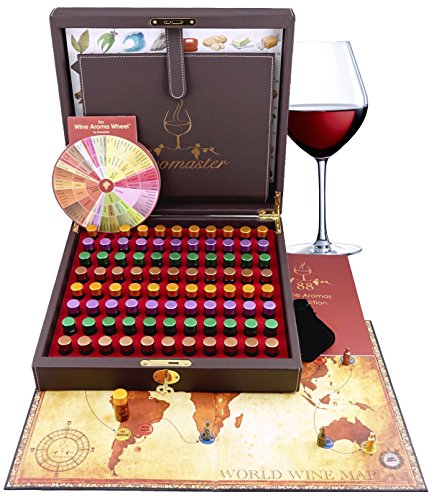
Professional Sommelier Wine Aroma Kit by Aromaster – 88 Wine Aromas (The Wine Aroma Wheel and Board Game incl.)
Professional Sommelier Wine Aroma Kit, renowned for over 20 years for the quality of its aromas. (Praised by…
As an affiliate, we earn on qualifying purchases.
As an affiliate, we earn on qualifying purchases.

Wine Folly Wine Aroma Wheel Charts – 4-Pack for Red, White, Rosé & Sparkling | Wine Tasting Guide with Aromatic Compound Info | Durable, Glossy Educational Chart Set
👃 Smell Like a Sommelier 👃 Elevate your wine game with these expert-designed aroma wheels that help you…
As an affiliate, we earn on qualifying purchases.
As an affiliate, we earn on qualifying purchases.