
Emerging AI standards and regulations in the food and travel sectors focus on ensuring safety, transparency, and fairness. You’ll find rules emphasizing accurate and unbiased AI recommendations, protecting consumer privacy, and preventing discrimination. These guidelines also push for clear data handling and accountability to build trust. As AI becomes more integrated, compliance signals ethical integrity and safety adherence. Exploring these standards further reveals how industries aim to balance innovation with consumer protection.
Key Takeaways
- New regulations mandate transparency and accuracy in AI-driven food recommendations to ensure consumer safety and trust.
- Standards require AI in travel to protect personal data, prevent bias, and promote fair treatment of travelers.
- Regulations emphasize monitoring supply chains and safety issues in food production using AI technologies.
- Ethical guidelines in both sectors focus on data security, privacy, and preventing discrimination or bias in AI systems.
- Evolving standards aim to balance innovation with consumer rights, ensuring responsible AI use in food and travel industries.

As artificial intelligence continues to transform the food and travel industries, new standards and regulations are emerging to guarantee responsible and ethical use. You might not realize it, but AI is increasingly shaping how you choose meals or plan trips, making safety and ethics more critical than ever. This shift is driven by growing concerns over AI ethics, which focus on ensuring that AI systems operate transparently, fairly, and without bias. When it comes to consumer safety, regulators want to make sure that AI-driven services don’t inadvertently put you at risk, whether through faulty recommendations, data breaches, or deceptive practices.
In the food industry, AI is used to personalize diets, monitor supply chains, and even predict food safety issues. But as these systems become more embedded in your daily life, questions about AI ethics come to the forefront. Regulators are starting to require companies to be transparent about how they use AI to recommend products or analyze health data. If an AI system suggests a meal based on your health profile, you need to trust that it’s accurate and unbiased. Consumer safety is a key concern; if an AI misinterprets data or fails to flag contaminated ingredients, the consequences could be serious. New standards aim to ensure that AI tools are rigorously tested for accuracy and are designed to prioritize your safety above all.
AI in food personalization and safety must be transparent, accurate, and prioritize consumer well-being to prevent risks and ensure trust.
Similarly, in the travel industry, AI influences everything from personalized trip planning to facial recognition at airports. These advances improve efficiency but raise ethical questions about privacy and data security. Regulations are now emphasizing the importance of safeguarding your personal information and ensuring that AI applications do not discriminate or infringe on your rights. You’ll notice that emerging standards encourage companies to be clear about how they collect, store, and use your data. Moreover, AI ethics guide the development of systems that avoid biases based on race, gender, or nationality, helping ensure that your travel experience is fair and respectful. Recognizing that smart indoor gardens are part of the growing AI landscape, some regulations are also addressing how automated systems manage food production and sustainability.
As these standards evolve, you’ll find that compliance becomes a mark of trust. Companies that adhere to responsible AI practices will be more transparent about their processes, and you’ll have greater confidence in the safety and fairness of the services you use. Ultimately, these regulations aim to strike a balance: enabling innovation while protecting your rights and well-being. Staying informed about these emerging standards helps you understand that responsible AI use isn’t just a technical issue—it directly impacts your safety, privacy, and overall experience in the food and travel sectors.

Abangdun Portable Mini Induction Cooktop 700W 120V Compact Single Burner Hot Plate for RV Travel Camping Dorm and Small Kitchen
Portable and Compact induction cooker: MOKA POT NOT INCLUDED ! Mini induction cooktop, its small size makes it...
As an affiliate, we earn on qualifying purchases.
Frequently Asked Questions
How Do AI Regulations Vary Across Different Countries?
You’ll notice that AI regulations differ across countries due to cross border regulations and cultural considerations. Some nations enforce strict rules on data privacy and transparency, while others adopt a more relaxed approach. Cultural values influence how AI is integrated, especially in food and travel sectors, prompting businesses to adapt their practices accordingly. By understanding these variations, you can better navigate international markets and make certain of compliance across borders.
What Are the Penalties for Non-Compliance With New AI Standards?
If you don’t comply with new AI standards, penalty enforcement can lead to hefty fines, operational restrictions, or even legal actions. Non-compliance increases your compliance costs, as you’ll need to invest in adjustments or audits. Authorities actively monitor adherence, so staying ahead helps you avoid penalties and maintain trust. Ensuring your AI systems meet regulations minimizes risks and keeps your business running smoothly, avoiding costly penalties altogether.
How Will AI Standards Impact Small Businesses in These Industries?
AI standards will considerably impact your small business by shaping how you adopt AI technologies. They may require you to meet new compliance rules, which could mean investing in updates or training. While this might seem challenging, it also offers opportunities to improve efficiency and customer experience. Staying informed and proactive about AI adoption helps you adapt smoothly, ensuring your small business remains competitive and compliant in these evolving industries.
Are There Any Upcoming International Collaborations on AI Regulations?
Yes, upcoming international collaborations aim to foster global cooperation and regulatory harmonization. These efforts intend to create unified AI standards that streamline innovation, promote safety, and guarantee fair competition across industries. By working together, countries can address shared challenges, reduce conflicting regulations, and accelerate responsible AI adoption. As a small business, you’ll benefit from clearer guidelines and smoother cross-border operations, helping you stay competitive in an increasingly interconnected world.
How Can Consumers Ensure AI Transparency in Food and Travel Services?
To make certain AI transparency in food and travel services, you should actively seek out companies that prioritize clear communication about their AI use. Look for information on how AI impacts your consumer rights, such as data privacy and decision-making processes. Don’t hesitate to ask questions or demand transparency from providers. Staying informed about industry standards helps you protect your rights and make confident choices, ensuring the AI systems you interact with are accountable and trustworthy.
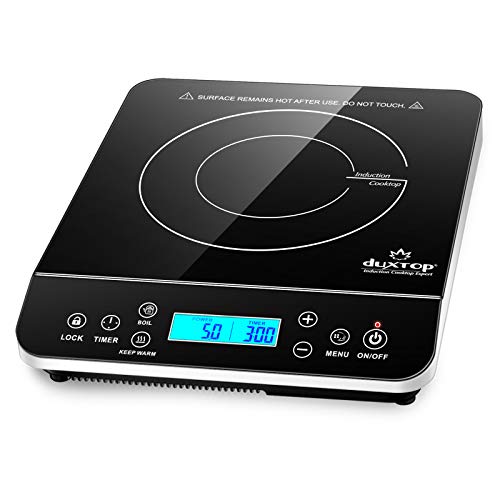
Duxtop Portable Induction Cooktop Burner, Induction Hot Plate with LCD Sensor Touch 1800 Watts, Silver 9600LS/BT-200DZ
PORTABLE INDUCTION BURNER: Duxtop induction cooktop uses 110/120 V 15 amp electrical outlet–standard in all North American homes....
As an affiliate, we earn on qualifying purchases.
Conclusion
As you navigate the evolving landscape of AI in food and travel, staying informed about new standards and regulations is vital. Think of it as your trusty compass in uncharted waters, guiding you safely through innovation’s tide. Remember, just like the Wright brothers’ pioneering spirit, embracing these changes now guarantees you’re ahead of the curve. Keep your eyes peeled and your mind open—tomorrow’s AI regulations might just be the secret sauce for success.

Stainless Steel Induction Cooktop, Professional-Grade Induction Cooker with Precise Temperature Control,Portable Countertop Burner with UL Certified, 10 Hours Timer Powerful 1800W Hot Plate
COOK FASTER WITH LESS ENERGY AT HOME AND BEYOND: Powered by a dual-layer thick copper coil, this 1800W...
As an affiliate, we earn on qualifying purchases.

JOZOOES 500W / 120V Small Induction Cooktop - 7.7" Mini Portable Countertop Burners Induction Hot Plate Electric Stove for Candle Making, RV, Office, Tea Room, Camp, Tea party
EASY TO OPERATE - JOZOOES Mini induction cooker has 3 working gears(250W, 300W, 500W). You can quickly reach...
As an affiliate, we earn on qualifying purchases.