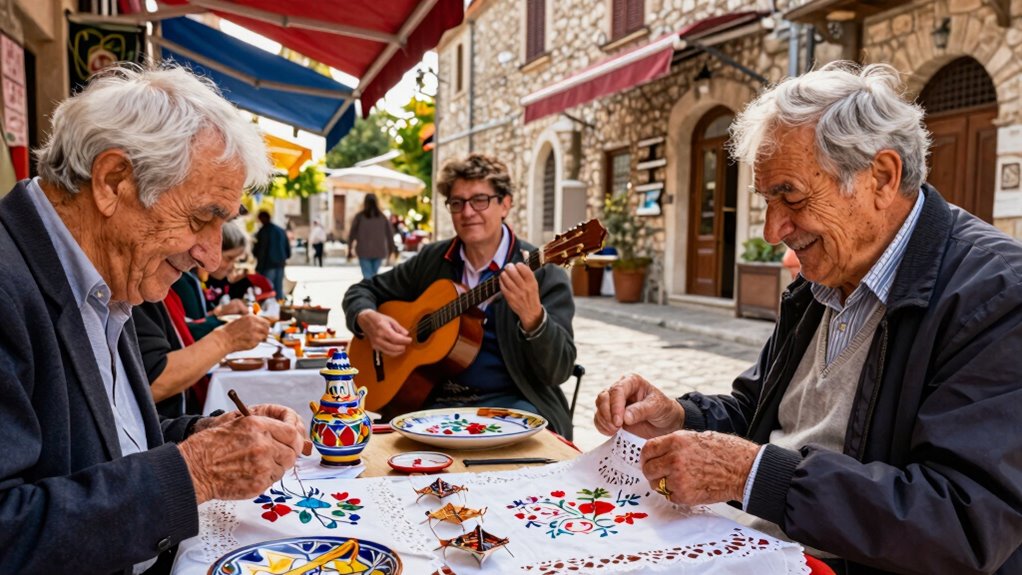

Italy’s intangible heritage, like its traditions, music, and crafts, captures the true essence of its culture far more vibrantly than monuments. These living practices reflect community bonds, shared values, and historical continuity, giving you a deeper, more personal connection to the country’s identity. Monuments are static, but traditions evolve and keep Italy alive. If you want to understand what truly makes Italy unique, exploring its vibrant cultural expressions is essential—you’re about to discover much more.

Get home appliances delivered free — and shop member deals
- Fast, free delivery on millions of items
- Access to Prime Big Deal Days deals on October 6–7
- Prime Video, Amazon Music and more included
Key Takeaways
- Intangible heritage captures Italy’s living cultural expressions, providing deeper insights into community values and traditions.
- Living traditions foster community bonds and social cohesion more actively than static monuments.
- Preserving crafts and practices maintains regional identities and historical continuity beyond physical structures.
- Intangible heritage reflects Italy’s evolving cultural identity, ensuring relevance for future generations.
- Focusing on cultural practices promotes vibrant, resilient traditions that sustain Italy’s diverse cultural landscape.
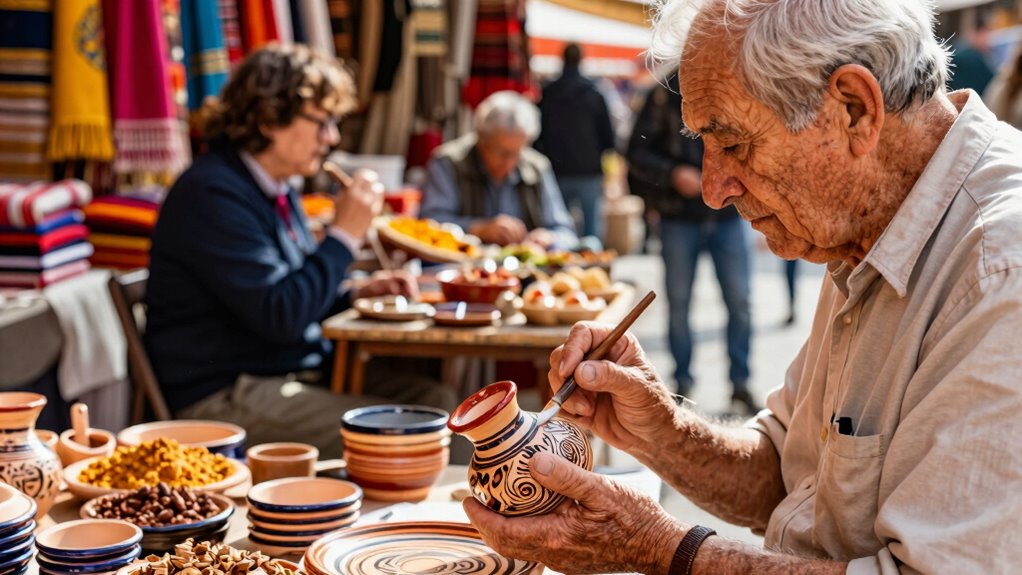
Italy’s rich cultural landscape extends far beyond its iconic landmarks, encompassing a vibrant array of intangible heritage that lives through traditions, practices, and expressions. While monuments like the Colosseum or the Leaning Tower of Pisa draw millions of tourists, it’s these living traditions that truly breathe life into Italy’s cultural identity. You might find that engaging with Italy’s cultural expressions, such as folk music, dance, festivals, and storytelling, offers a deeper, more authentic connection to the country’s soul. These practices aren’t just remnants of the past; they’re dynamic, evolving elements that shape how Italians see themselves and their history today. By focusing on these, you gain insight into the values, beliefs, and communal bonds that sustain Italian society. Recognizing the significance of traditional crafts highlights how artisans preserve regional histories and identities through their work. traditional crafts hold a special place in Italy’s intangible heritage, representing centuries of skill, artistry, and local knowledge. When you observe artisans creating intricate glasswork in Venice, handcrafted leather goods in Florence, or delicate ceramics in Deruta, you see more than just objects—you witness a living tradition passed down through generations. These crafts embody a sense of identity and pride that can’t be captured solely through photographs of monuments. They tell stories of regional history, resourcefulness, and cultural pride, which are often overlooked in favor of grand structures. Appreciating traditional crafts allows you to see the meticulous effort and cultural significance behind everyday objects that have become symbols of Italian ingenuity. Additionally, engaging with living cultural practices provides a more immersive experience, connecting you directly to the communities that keep these traditions alive. These practices often include oral traditions and local dialects, which are crucial components of regional identity and cultural preservation. They serve as vital links to the past, reinforcing the importance of cultural continuity in maintaining Italy’s diverse heritage. Moreover, these intangible elements foster community and continuity. Festivals, culinary traditions, and local dialects aren’t static relics; they’re active expressions of local life, often rooted in seasonal cycles and community participation. When you partake in local festivals or learn regional recipes, you become part of a living tradition, experiencing Italy’s culture firsthand rather than just observing its historical sites. This engagement creates a more meaningful connection and highlights the importance of preserving practices that might otherwise fade away. Furthermore, understanding the cultural significance of these traditions helps highlight their role in shaping regional identities and fostering social cohesion within communities. In essence, Italy’s intangible heritage deserves more attention because it offers a richer, more nuanced understanding of the country’s identity. It’s in these cultural expressions and traditional crafts that Italy’s true spirit resides—vibrant, resilient, and deeply personal. By prioritizing these living traditions, you not only celebrate Italy’s history but also support the ongoing effort to keep its cultural diversity alive and thriving for future generations.
Italian traditional craft souvenirs
As an affiliate, we earn on qualifying purchases.
As an affiliate, we earn on qualifying purchases.
Frequently Asked Questions
How Is Intangible Heritage Different From Tangible Monuments?
Intangible heritage differs from tangible monuments because it focuses on traditions, practices, and expressions that embody cultural identity and hold historical significance. You experience these through rituals, music, language, and customs, which aren’t physical structures but are essential to understanding a community’s soul. While monuments are visible symbols, intangible heritage lives in everyday actions, preserving history and fostering connections that shape a society’s unique cultural fabric.
What Are Some Examples of Italy’s Intangible Cultural Traditions?
You might stumble upon Italy’s vibrant traditional festivals or savor centuries-old culinary practices that define its spirit. These intangible traditions, like Venice’s Carnevale or Sicily’s food festivals, hold cultural memories and community bonds. They’re more than events—they’re living expressions of history. Recognizing these practices offers a deeper connection to Italy’s identity, reminding you that culture isn’t just built on stone, but on shared stories, flavors, and celebrations that keep traditions alive.
Why Is Intangible Heritage Often Overlooked in Italy’s Tourism?
You often overlook intangible heritage in Italy’s tourism because it’s less visually striking and harder to showcase than monuments. Yet, its cultural significance is profound, shaping local identities and traditions. Engaging tourists with authentic cultural experiences fosters deeper connections, but these intangible elements are sometimes undervalued. To truly appreciate Italy, you should seek out these living traditions, which offer a richer, more immersive understanding of the country’s heritage beyond its famous monuments.
How Can Intangible Heritage Be Preserved Effectively?
You can preserve intangible heritage effectively by focusing on cultural continuity and thorough tradition documentation. Studies show that over 80% of traditional practices risk disappearing without active efforts. By supporting community-led initiatives, recording oral histories, and promoting local customs through education and media, you guarantee these traditions stay alive. Engaging local communities creates a sustainable way to safeguard Italy’s rich intangible heritage for future generations.
What Role Do Local Communities Play in Safeguarding Intangible Traditions?
You play a crucial role in safeguarding intangible traditions through community involvement. By actively participating in cultural activities and passing down practices, you guarantee these traditions stay alive. Your engagement helps transmit cultural knowledge to future generations, maintaining the community’s identity. When you celebrate and share local customs, you strengthen cultural transmission, making these intangible heritages resilient and vibrant, preserving Italy’s rich cultural tapestry for generations to come.
Conclusion
Remember, Italy’s true soul isn’t just in its ancient ruins or majestic monuments—it’s in the living traditions, melodies, and stories passed down through generations. These intangible treasures are the heartbeat of the nation, whispering secrets of its history and culture. By cherishing them, you keep the flame alive, ensuring Italy’s spirit endures beyond stone and marble. Embrace these ephemeral treasures, for they’re the true symbols of Italy’s timeless essence.
Fall Picks
fall essentials
As an affiliate, we earn on qualifying purchases.