
TL;DR

Get home appliances delivered free with Prime
- Fast, free delivery on millions of items
- Prime Video, Amazon Music and more included
- Member-only deals all year
House Beautiful published a mattress roundup based on testing and contributor experience, naming options that testers said helped with back discomfort. The picks range from a $230 Zinus memory-foam mattress to the Saatva Rx, but the report does not establish that any mattress treats back pain or works for everyone.
House Beautiful has published a roundup of mattresses its staff and contributors recommend for people seeking better back support, drawing on testing and personal experience over as long as two years. The picks include the Saatva Rx, a budget Zinus memory-foam model, the Allswell Luxe Hybrid and Leesa Sapira Hybrid; the recommendations are based on individual experiences, not clinical evidence that the beds treat back pain.
The report’s featured Saatva Rx is described as a mattress designed for sleepers with chronic back and joint conditions. Tester Katelyn Lunders, who says she has sciatica and sleeps in multiple positions, reported feeling supported on her back and side. She credited the mattress’s seven layers, added support in its center third and gel-infused memory foam for pressure relief and spinal alignment. The mattress is 15 inches tall and comes with a 365-night trial, according to the report; its height may call for deeper or oversized bedding.
For lower-cost choices, the article highlights a Zinus memory-foam mattress listed at $230 for a queen. Lunders said she used one for five years without noticing sagging and described it as firm. The report lists zoned pressure-relief technology among its features, but says the mattress has no trial period. The Allswell Luxe Hybrid is another value pick: contributor Kelsey Mulvey said her king-size mattress cost under $500 and remained without obvious dips after she bought it in 2019. Its foam layers and eight-inch coil unit create what she described as a medium-firm feel.
The Leesa Sapira Hybrid is presented as an option for sleepers who want a balance of cushioning and support. Tester Samantha Jones said she had often woken with shoulder and back pain before trying it, then experienced less discomfort and stiffness while using the mattress. The article describes individually wrapped coils beneath memory-foam layers and lists a 100-night trial. Jones’s account is a personal report; the roundup does not give a controlled comparison of her symptoms before and after testing.
Choosing Support Across Budgets
The roundup gives shoppers examples across different price points and sleep preferences, including a firm foam option, hybrid beds and a premium model with a long trial. That can help readers identify features they may want to compare, such as firmness, pressure relief, motion isolation and return periods, rather than assuming one construction suits every person with back pain.
Its practical value is limited by the nature of the evidence. The reported improvements come from individual testers, and back discomfort can have many causes. The article does not establish that a mattress will prevent or resolve pain, nor does it report medical assessments or a standardized test of pain outcomes. Readers with persistent or severe symptoms should not treat a mattress recommendation as medical advice.
Products Worth Considering

Dyson W1 PencilWash Cordless Wet and Dry Floor Cleaner with Dock
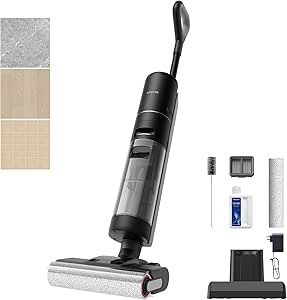
Dreame G10 Pro Wet and Dry Vacuum Mop

Levoit Vital 100S-P Air Purifier with Washable Pre-Filter
As an affiliate, we earn on qualifying purchases.
What the Testing Covers
The House Beautiful article presents product recommendations alongside first-person accounts from testers and contributors. Its headline refers to two years of testing, while the individual examples include longer periods of ownership: Lunders said she slept on the Zinus for five years, and Mulvey said she bought the Allswell in 2019 and continued using it. Those accounts describe real-world use but do not mean every mattress in the roundup underwent the same duration or testing protocol.
The source also lists product specifications and policies, including mattress height, available sizes and trial periods where provided. These details can affect a purchase as much as comfort: a 15-inch mattress may not fit standard sheets well, while the listed Zinus has no trial window. The report’s recommendations should be read as editorial picks, not an independent medical ranking.
“As a combination sleeper with sciatica, I have found the Rx incredibly supportive and comfortable, whether I sleep on my back or side.”
— Katelyn Lunders, House Beautiful tester, on the Saatva Rx
Limits of the Pain Claims
The report does not specify a clinical study, a controlled comparison among mattresses or a standardized measure for back-pain improvement. It is not clear whether all of the featured products were tested for the same length of time or under identical conditions. Several claims—including pain relief, pressure reduction and spinal alignment—are presented through product descriptions or tester accounts, rather than medical findings.
Prices, availability, materials and trial policies can change, and the source’s listed details may not reflect current offers. The article excerpt also does not provide complete specifications for every product. Individual comfort varies, so the roundup cannot predict which mattress will suit a particular reader.
Check Current Terms Before Buying
Readers considering a mattress can compare current prices, sizes, construction and return conditions directly with the retailer before ordering. Trial periods differ among the listed picks: the Saatva Rx is listed with 365 nights, the Leesa Sapira Hybrid with 100 nights, and the Zinus with none. Buyers should verify those policies, along with delivery costs and requirements, because terms can change.
For people whose back pain persists, worsens or disrupts daily activity, a mattress change should not replace advice from a qualified health professional. The House Beautiful report offers product experiences and shopping details; it does not announce medical findings or a follow-up test of whether the recommendations reduce pain across a wider group.
Key Questions
What mattresses does the report recommend for back pain?
The featured picks include the Saatva Rx, a Zinus memory-foam mattress, the Allswell Luxe Hybrid and the Leesa Sapira Hybrid. The article presents them as editorial recommendations based on testing and personal accounts, not as clinically proven treatments.
Which mattress in the roundup is the least expensive?
The report lists the Zinus mattress at $230 for a queen. Prices can change, and the article says this model has no trial period, so shoppers should check current retailer terms before purchasing.
Does the article prove these mattresses relieve back pain?
No. Testers describe their own experiences, including reduced discomfort, but the report does not cite a clinical study or controlled test establishing that these mattresses treat back pain.
Which picks have a sleep trial?
The article lists a 365-night trial for the Saatva Rx and a 100-night trial for the Leesa Sapira Hybrid. It lists no trial for the Zinus mattress; verify current policies with the seller.
Source: housebeautiful.com