

To avoid museum fatigue ruining your city adventure, plan your visits wisely by focusing on a few highlights and taking regular breaks to stay refreshed. Stay hydrated, listen to your body’s signals, and don’t hesitate to pause or leave early if needed. Engage actively with exhibits through notes or discussions, and try visiting during quieter times. Keep these energy management tips in mind; you’ll discover how to enjoy every moment even in busy museums.

Get home appliances delivered free with Prime
- Fast, free delivery on millions of items
- Prime Video, Amazon Music and more included
- Member-only deals all year
Key Takeaways
- Plan visits during less crowded times and focus on specific exhibits to prevent overwhelm.
- Stay hydrated and take regular breaks outside exhibit areas to recharge physically and mentally.
- Recognize early signs of fatigue and adjust your pace or skip exhibits to avoid burnout.
- Engage actively with exhibits through notes, discussions, or guided tours to maintain interest.
- Practice mindful breathing or stretching to boost energy and sustain enjoyment throughout the visit.
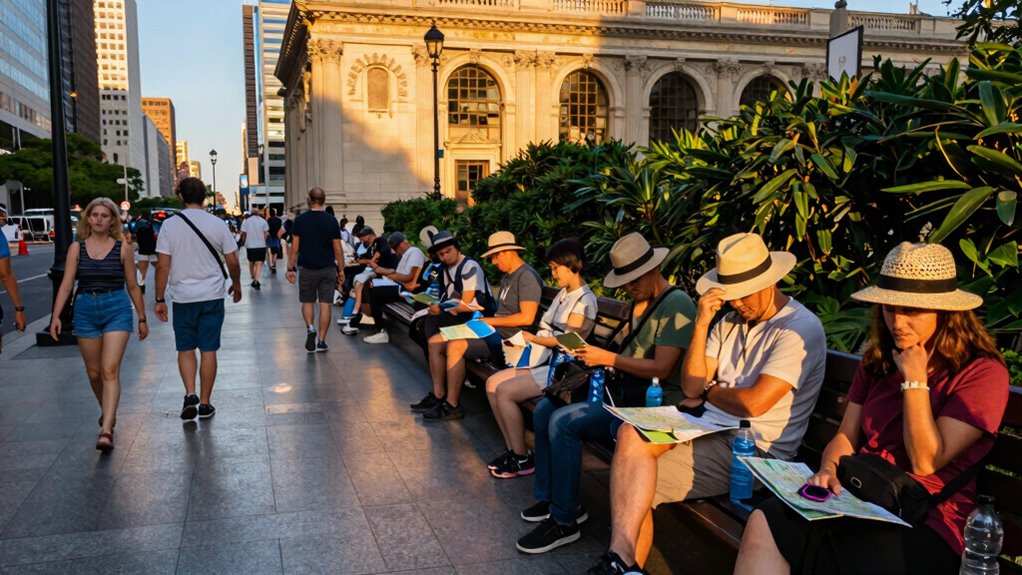
Visiting museums can be fascinating, but it’s easy to become overwhelmed or exhausted after hours of exploring exhibits. When you’re enthusiastic to absorb as much as possible, fatigue can sneak in and diminish your experience, making it harder to truly appreciate the art and culture around you. The key is to recognize the signs early and take deliberate steps to manage your energy levels. This proactive approach ensures you maintain your curiosity and engagement throughout your visit. Start by pacing yourself. Instead of rushing through every gallery, plan your visit with specific highlights in mind. Focus on a few sections that resonate most with your interests—whether it’s a particular art period, cultural artifact, or historical theme. This targeted approach allows you to dedicate your attention and energy to meaningful art appreciation, rather than trying to process everything at once. Remember, quality beats quantity when it comes to museum visits. If you’re feeling overwhelmed, it’s perfectly okay to skip or return later to certain exhibits. Hydration and breaks are your best friends. Carry a water bottle and take regular pauses outside the exhibit areas or in designated seating areas. Short rests help reset your mind and body, preventing fatigue from building up. During these breaks, take the opportunity to reflect on what you’ve seen, which deepens your cultural immersion and helps solidify your understanding of the exhibits. Incorporate energy management techniques, such as mindful breathing or stretching, to further support your stamina. Recognizing the importance of self-care while exploring can also help you stay energized and prevent burnout. Paying attention to your physical health during your visit can significantly impact your overall experience and comfort. Don’t forget to listen to your body—if your feet are sore or your eyes are tired, give yourself permission to pause or even leave early if needed. A fresh perspective later on can often enhance your appreciation more than pushing through exhaustion. Engaging with the exhibits actively can also keep fatigue at bay. Take notes, sketch, or discuss what you’re seeing with friends or fellow visitors. These activities foster a more interactive experience, making the art and history more vivid and memorable. Additionally, consider visiting museums during less crowded times; fewer visitors mean a calmer environment, less pressure to move quickly, and more space for meaningful engagement. If available, guided tours or audio guides can streamline your experience, highlighting key pieces without overwhelming you with information. Recognizing the importance of museum fatigue management can help you enjoy your visits more fully and prevent burnout. Being mindful of your energy levels and managing your pace can make all the difference in creating a truly enriching cultural experience.
reusable water bottle for travel
As an affiliate, we earn on qualifying purchases.
As an affiliate, we earn on qualifying purchases.
Frequently Asked Questions
Can Museum Fatigue Affect Mental Health Long-Term?
Museum fatigue can impact your mental health long-term if you don’t recognize its signs. Constant overstimulation and exhaustion might lead to increased stress, anxiety, or burnout, affecting your overall well-being. Over time, these effects could worsen, making it harder to enjoy cultural activities. To protect your mental health, take breaks, stay hydrated, and listen to your body’s signals. Managing fatigue is essential to prevent long-term negative effects on your mental health.
Are There Specific Foods to Prevent Museum Fatigue?
To prevent museum fatigue, you should focus on healthy snacks like nuts, fruit, or yogurt that provide sustained energy. Stay hydrated with water or herbal teas, and remember hydration tips like carrying a refillable bottle and drinking frequently. These habits keep your energy levels steady, helping you enjoy the exhibits without feeling drained. Incorporating healthy snacks and hydration tips guarantees you stay alert and enthusiastic throughout your museum visit.
How Do I Recover Quickly From Museum Fatigue?
To recover quickly from museum fatigue, focus on exhibit pacing and rest strategies. Take short breaks between exhibits to relax your mind and stretch your legs. Hydrate well and snack on energy-boosting foods to maintain your stamina. Use quiet corners or benches for brief rests, and avoid rushing through the exhibits. By pacing yourself and incorporating rest strategies, you’ll rejuvenate faster and enjoy more of what the museum offers.
Does Age Influence Susceptibility to Museum Fatigue?
Yes, age influences susceptibility to museum fatigue, as age-related cognitive decline can make it harder to process large amounts of information. Younger generations often prefer interactive exhibits, while older visitors might find prolonged periods of passive viewing exhausting. To enjoy museums at any age, take regular breaks, engage with preferred exhibits, and pace your visit. Understanding your own preferences helps you avoid fatigue and fully appreciate what museums offer.
Can Certain Clothing Reduce Feelings of Fatigue?
Wearing comfortable clothing choices can definitely reduce feelings of fatigue during museum visits. Opt for outfits with breathable fabrics and loose fits, allowing you to move freely and stay relaxed. Prioritize outfit comfort over style, so you don’t feel weighed down or restricted. Bringing a lightweight jacket or layers helps adapt to changing temperatures, keeping you comfortable and energized longer, making your museum experience enjoyable without exhaustion.
Conclusion
Think of museum fatigue as a gentle tide—inevitable but manageable. Just as a sailor knows when to ride the waves or seek calm waters, you can navigate your museum day with mindful breaks and fresh perspectives. When you listen to your body’s signals, you steer clear of sinking into exhaustion. So, anchor yourself with moments of pause, and your journey through the city’s treasures will remain a vibrant adventure, not a sinking ship.
Halloween Picks
halloween
As an affiliate, we earn on qualifying purchases.