
To protect your accounts on public Wi-Fi, avoid unsecured or fake hotspots and always verify network names. Keep your devices updated with the latest security patches and use firewalls. Enable encryption like HTTPS and connect via a trusted VPN to shield your data. Create strong, unique passwords with the help of password managers, and turn off sharing features when not in use. Following these straightforward steps can greatly improve your safety—continue to discover more tips to stay secure.
Key Takeaways
- Avoid connecting to unsecured or suspicious public Wi-Fi networks; verify network authenticity with staff.
- Use VPNs and enable HTTPS to encrypt your internet traffic and protect sensitive data.
- Keep devices updated with the latest security patches and configure firewalls properly.
- Create strong, unique passwords with a password manager and avoid reusing passwords across accounts.
- Turn off sharing options, Wi-Fi, and Bluetooth when not in use to minimize potential security vulnerabilities.
VPN for public Wi-Fi
As an affiliate, we earn on qualifying purchases.
As an affiliate, we earn on qualifying purchases.
Why Is Public Wi‑Fi a Security Risk?
Public Wi-Fi networks are often unsecured, making it easy for hackers to intercept the data you send and receive. These public hotspot vulnerabilities arise because many networks are unencrypted, meaning your information isn’t protected as it travels through the air. When you connect to unencrypted networks, hackers can use simple tools to eavesdrop on your online activities, capturing sensitive details like passwords, emails, or financial information. Since these networks lack proper security, they’re prime targets for cybercriminals looking to exploit unsuspecting users. Even if a network appears legitimate, its vulnerabilities can expose you to data theft or malicious attacks. Additionally, the absence of encryption protocols increases the risk of data breaches on public Wi-Fi. Staying aware of these risks helps you understand why public Wi-Fi can be a security threat, especially when safety measures aren’t in place. Having a basic understanding of digital concepts can help you better recognize potential security issues. Being mindful of security best practices when using public networks is essential to protect your personal information. Educating yourself about common cyber threats can further improve your online safety when using public Wi-Fi.
password manager software
As an affiliate, we earn on qualifying purchases.
As an affiliate, we earn on qualifying purchases.
How Can You Spot Fake Hotspots and Phishing Attempts?
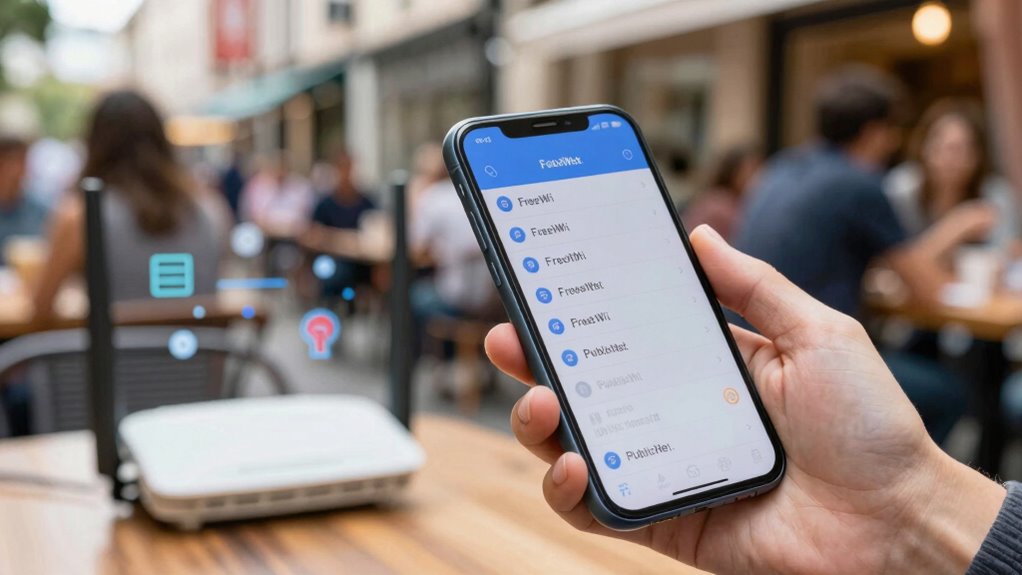
Since cybercriminals often set up fake hotspots to trick unsuspecting users, it’s important to learn how to identify them. Fake hotspot detection is key to staying safe. First, check the network name carefully—legitimate hotspots usually have familiar or official names, while fake ones may have misspellings or unusual titles. Second, verify with the venue staff if you’re unsure; authentic hotspots are typically confirmed by the establishment. Third, be cautious of open networks that don’t require a password, as they could be phishing attempt recognition traps designed to collect your data. Always avoid connecting to suspicious networks and don’t enter sensitive information unless you’re sure the connection is legitimate. Additionally, understanding the power output of electric bikes can inform you about their performance and safety features. Staying aware of cybersecurity best practices helps protect your accounts from malicious hotspots and phishing attempts. Being knowledgeable about network security indicators can further help you recognize trustworthy connections.
firewall for Windows
As an affiliate, we earn on qualifying purchases.
As an affiliate, we earn on qualifying purchases.
Keep Your Devices Updated to Stay Safe on Public Wi‑Fi
Keeping your devices updated is one of the best ways to protect yourself when using public Wi-Fi. Software updates often include security patches that fix vulnerabilities, preventing hackers from exploiting weaknesses in your device’s system. Regular updates ensure your device encryption stays strong, safeguarding your data during transmission. When you ignore updates, you’re leaving your device open to threats, making it easier for cybercriminals to intercept sensitive information. Enable automatic updates whenever possible so you don’t forget. Additionally, stay aware of the latest security features and improvements, which can enhance your overall safety on open networks. Staying informed about security patches and applying them promptly further reduces the risk of cyber attacks. Regularly reviewing software security practices can help maintain your device’s resilience against emerging threats. Being aware of environmental considerations can also guide you in choosing safer locations with better signal security, adding an extra layer of protection. Moreover, understanding water-related safety tips can be beneficial if you’re near water during outdoor activities.
HTTPS browser extension
As an affiliate, we earn on qualifying purchases.
As an affiliate, we earn on qualifying purchases.
Use a VPN to Protect Your Internet Traffic on Open Networks
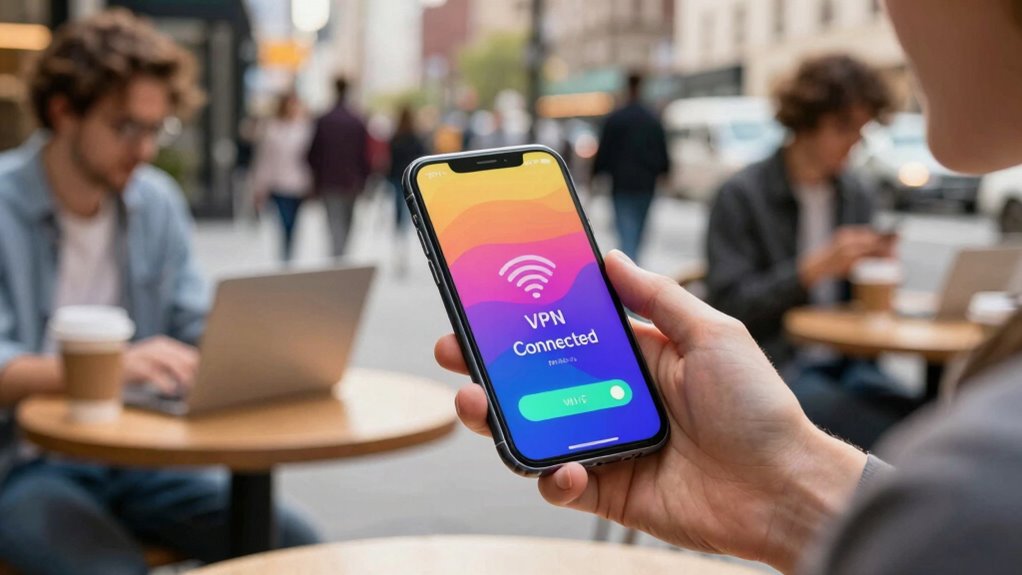
Using a VPN (Virtual Private Network) is one of the most effective ways to safeguard your internet traffic on open networks. It encrypts your browsing data, preventing hackers from intercepting sensitive information. With a VPN, you can enjoy anonymous browsing, making it harder for others to track your online activity. Here are three benefits:
- Encrypted browsing keeps your personal details safe from eavesdroppers on public Wi-Fi.
- Anonymity masks your IP address, protecting your identity online.
- Secure connections ensure your data remains private, even on untrusted networks.
- Understanding dream symbolism related to clocks and time can remind us of the importance of protecting our privacy and the fleeting nature of digital security. Recognizing how digital footprints can be traced emphasizes the need for VPNs to maintain privacy. Additionally, utilizing a VPN can mitigate the risks associated with public Wi-Fi vulnerabilities, which are often exploited by cybercriminals. Implementing a VPN also helps to safeguard against cyberattacks, which are increasingly common on unsecured networks. Being aware of cybersecurity threats underscores the importance of using protective tools like VPNs to defend personal information.
Enable Security Settings and Firewalls on Your Devices
Make sure your devices have security settings enabled to block unauthorized access. Use reliable firewall software or turn on your built-in firewall to monitor and control network traffic. These steps add essential layers of protection when using public Wi-Fi. Additionally, enabling Smart Pool Automation features on your social media accounts can help you manage your online presence and privacy. Regularly updating your device’s security features ensures you stay protected against recent threats. Incorporating requirements traceability practices can also help you verify that your security measures are effectively implemented and maintained.
Activate Built-In Security
Enabling security settings and firewalls on your devices is a crucial step in protecting yourself when using public Wi-Fi. To enhance security, consider these actions:
- Enable two-factor authentication for your accounts. This adds an extra layer of protection, making it harder for hackers to access your data.
- Activate device encryption. Encrypting your device ensures your data remains unreadable if your device is lost or stolen.
- Turn on your device’s built-in firewall. This blocks unauthorized connections and helps prevent malicious attacks on your device. Additionally, network security protocols play a vital role in safeguarding your data on public networks.
- Regularly update your device’s software and security patches to maintain optimal protection.
Use Reliable Firewall Software
To protect your device from malicious attacks on public Wi-Fi, installing reliable firewall software is vital. A well-configured firewall helps block unauthorized access and monitors incoming and outgoing traffic. Make certain your firewall configuration is set to the highest security level compatible with your device. Regular software updates are essential because they patch vulnerabilities that hackers may exploit. Keep your firewall software current to guarantee it can defend against the latest threats. Enable security settings that restrict data sharing and unauthorized connections. Don’t forget to review and adjust your firewall settings periodically, especially after updates, to maintain ideal protection. Additionally, understanding heat buildup and wiring best practices can help prevent potential hardware issues that could compromise your device’s security. Proper hardware management can reduce the risk of hardware failures that might lead to security vulnerabilities. Ensuring proper device maintenance also contributes to overall security by identifying and addressing hardware or software issues early. Furthermore, maintaining proper network configuration can help ensure your device remains protected even when connected to public Wi-Fi. By actively managing your firewall and keeping it updated, you create a strong barrier that helps safeguard your personal information on public networks.
How to Create and Manage Strong, Unique Passwords?
Creating and managing strong, unique passwords is essential for your online security. Use a password manager to keep track of complex, varied passwords that include letters, numbers, and symbols. Remember to avoid reusing passwords across different accounts to minimize your risk if one gets compromised. Additionally, selecting top-rated vacuum cleaners with advanced security features can help protect your devices from malware and unauthorized access.
Use Password Managers
Have you ever wondered how to keep your online accounts secure without remembering dozens of complex passwords? Using a password manager makes this easy. These tools securely store all your passwords, so you only need to remember one master password. Here’s how they help:
- Enhance password security by generating strong, unique passwords for each account.
- Simplify device authentication with quick login options across your devices.
- Reduce the risk of reuse or weak passwords that compromise your accounts.
Incorporate Complex Characters
Building on the convenience of password managers, incorporating complex characters into your passwords adds an extra layer of security. By including uppercase and lowercase letters, numbers, and symbols, you make it harder for attackers to crack your passwords through brute-force methods. Strong passwords also improve encryption protocols, ensuring your data remains protected during transmission. When creating passwords, consider how device authentication relies on these complex combinations to verify your identity securely. Avoid simple, predictable patterns, and aim for randomness. Using a password manager helps you generate and store these complex passwords easily, reducing the risk of forgetting them. Remember, the more unpredictable your passwords are, the more resilient your accounts become against hacking attempts, especially when connecting over public Wi‑Fi networks.
Avoid Reusing Passwords
Since reusing passwords across multiple accounts can considerably increase your vulnerability to hacking, it’s essential to develop a system for creating and managing strong, unique passwords for each login. Avoid password reuse by following these steps:
- Use a password manager to generate and store complex, unique passwords for every account.
- Create passwords that combine uppercase and lowercase letters, numbers, and symbols, making them hard to crack.
- Regularly update your passwords, especially after security breaches, to maintain your account security.
Best Practices for Staying Secure When Using Public Wi‑Fi

Using public Wi-Fi can be convenient, but it also exposes your devices and data to potential threats. To stay secure, always connect to networks you trust and avoid free or open public Wi-Fi without safeguards. Enable data encryption whenever possible, such as using HTTPS websites, to protect your information from eavesdroppers. Consider using a virtual private network (VPN) to create an encrypted tunnel for your internet traffic, preventing hackers from intercepting sensitive data. Turn off sharing options and Wi-Fi when you’re not actively using it. Keep your device’s security software updated to patch vulnerabilities. By following these best practices, you reduce the risk of data theft and keep your accounts safe while enjoying the convenience of public Wi-Fi.
Frequently Asked Questions
What Are the Signs of a Compromised Public Wi‑Fi Network?
You might notice signs of a compromised public Wi-Fi network when you see network anomalies like unexpected disconnects or slow connections. Unauthorized access could also be evident if your device suddenly shows unfamiliar connections or unusual activity. Be alert for these indicators, as they suggest the network could be compromised, and avoid transmitting sensitive data until you’re sure it’s secure. Always prioritize your safety and use protective measures when connecting.
Can Public Wi‑Fi Affect My Device’s Performance or Battery Life?
Public Wi‑Fi can impact your device’s performance and battery life. When you connect, your device may work harder to maintain a connection, leading to device overheating and increased battery drain. This happens because your device uses more power to stay connected and process data over unstable networks. To minimize this, avoid streaming or heavy browsing on public Wi‑Fi and consider turning off Wi‑Fi when not in use to preserve battery life.
Are There Specific Apps That Enhance Security on Public Wi‑Fi?
Sure, some apps act like digital bodyguards, boosting your security on public Wi-Fi. Apps like a VPN, which encrypts your Wi-Fi connection, and those that monitor app permissions, guarantee no sneaky malware sneaks in or eavesdroppers peek at your data. Think of them as security guards with a flashlight and a badge, making sure your Wi-Fi connection stays private, safe, and free from digital pickpockets.
How Does a VPN Work to Protect My Online Activity?
A VPN protects your online activity by creating a secure connection through encryption protocols, which scramble your data so hackers can’t read it. It also uses data tunneling to route your internet traffic through a private server, hiding your IP address and location. This way, your browsing remains private and secure, even on public Wi-Fi. Fundamentally, a VPN acts like a secure tunnel for your data, keeping it safe from prying eyes.
What Should I Do if I Suspect My Accounts Are Compromised After Using Public Wi‑Fi?
Oh, so you think your accounts are safe after using public Wi-Fi? Time to act fast. Change your passwords immediately, enable two-factor authentication, and review recent activity for any suspicious behavior. Contact your service providers for account recovery options if needed. Remember, public Wi-Fi safety isn’t just about avoiding risks—it’s about knowing what to do when things go wrong. Stay vigilant and protect your digital life.
Conclusion
Think of public Wi‑Fi like a bustling marketplace filled with both treasures and traps. By following these simple steps, you equip yourself with a sturdy shield, guiding you safely through the crowd. Keep your defenses up with updates, VPNs, and strong passwords, and you’ll navigate the digital marketplace confidently. Stay vigilant, and you’ll enjoy the benefits of public Wi‑Fi without falling into the pitfalls—turning potential risks into opportunities for secure, worry-free browsing.