
TL;DR

Get home appliances delivered free with Prime
- Fast, free delivery on millions of items
- Prime Video, Amazon Music and more included
- Member-only deals all year
Designers and plumbing professionals interviewed by Livingetc say bathroom extraction should be planned early because persistent moisture can contribute to condensation, mold and damage to paint, cabinetry and other finishes. They recommend mechanical extraction even in many bathrooms with windows, while noting that specific requirements depend on local building regulations.
Designers and plumbing professionals quoted by Livingetc are urging homeowners to plan bathroom extraction as part of a renovation, warning that inadequate ventilation can allow moisture to contribute to condensation, mold and damage to finishes. Their advice matters to people planning or updating bathrooms because fitting or improving a fan later can mean extra disruption, while damp-related repairs may affect materials already installed.
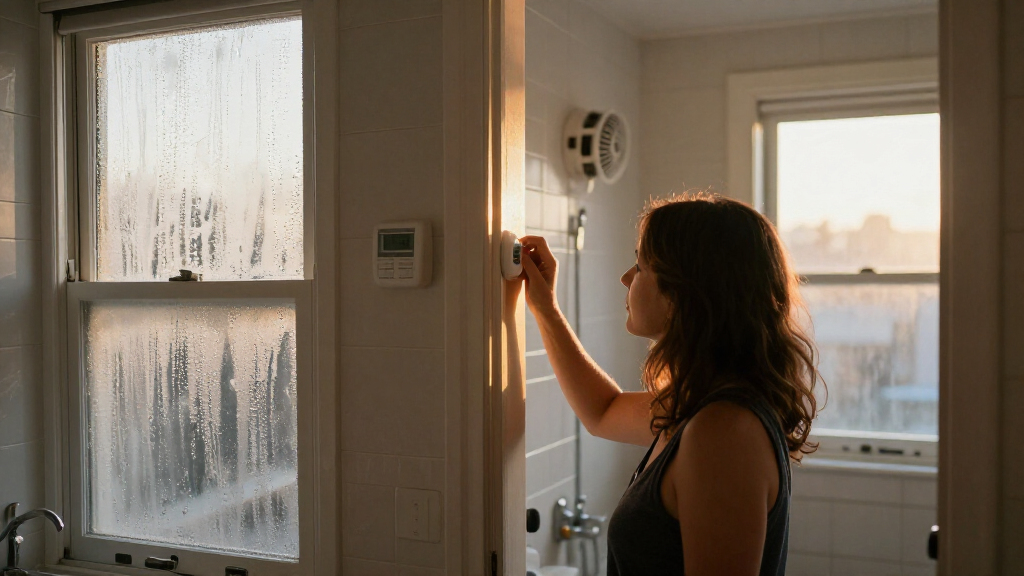
Bathrooms produce moisture during showers and baths. Without effective extraction, steam can linger and condensation may form on surfaces. The Livingetc report says this can contribute over time to mold, mildew, peeling paint and damaged finishes. The cited experts also describe potential effects on natural stone, timber cabinetry, wallpaper and plaster. These are warnings about risks, not evidence that every poorly ventilated bathroom will suffer the same damage.
A window does not necessarily remove moisture quickly enough, particularly in cold weather or after a hot shower, according to the experts. Anthony Calvert-Harrison, architectural design lead at Levan House Design, said an opening window may be an acceptable alternative for a separate toilet room, but recommended mechanical extraction for bathrooms with a bath or shower. The report also quotes Jo Sangster of Ripples London as saying new builds and complete renovations require a fan under building regulations; readers should check the rules that apply to their location and project.
Planning the fan early can make it easier to route ducting and electrical wiring before ceilings are closed and tiling begins. The report says retrofitting remains possible, but the work can be more disruptive in an internal bathroom than in one beside an outside wall. It also describes systems that run at a low speed and increase operation when humidity rises, although the source does not provide performance data or recommend one model for every bathroom.
Moisture Can Damage Bathroom Finishes
Ventilation affects more than comfort after a shower: it can help protect paint, cabinetry and specialist finishes from ongoing exposure to moisture. The materials named by the designers, including timber and natural stone, can represent substantial renovation costs. If moisture problems appear after installation, homeowners may face repairs as well as the inconvenience of addressing mold or damp.
Early planning also gives owners and tradespeople more options for positioning a fan and concealing its ducting. That can reduce the need to open finished ceilings or add visible boxing later. The report does not quantify the likelihood or cost of damage, so the practical takeaway is to treat extraction as a design and building-services decision rather than assume that a window alone will be enough.
Products Worth Considering

Philips Hue Secure Starter Kit with Contact Sensors, Motion Sensor, Bridge, and Color Smart Bulbs

Philips Hue White and Color Ambiance Smart Light Starter Kit, 2 A19 Bulbs with Hub

Google Nest Learning Thermostat (4th Gen) with Nest Temperature Sensor (2nd Gen), Obsidian
As an affiliate, we earn on qualifying purchases.
Plan Fans Before Finishes Go In
The Livingetc report frames extraction as part of the bathroom design process, alongside lighting, joinery and other fixed elements. Manuela Hamilford, creative director of Hamilford Design, said her team considers ventilation early so it can be incorporated discreetly. The report advises arranging the fan and its route during the layout and first-fix stages, before ceilings are closed and tiling starts.
Existing fans should be checked during a refurbishment and updated if needed, according to the report. A new fan may be easier to install where there is direct access to an external wall; an internal room may require opening a ceiling or creating discreet boxing. The source discusses fan planning and moisture control but does not give technical sizing calculations, product comparisons or a full installation guide. Those choices need to reflect the room and applicable local rules.
““Condensation leads to mold and damp, and fixing that once the bathroom is finished costs far more than planning it properly from the start.””
— Arezoo Pouya, design and sales consultant at West One Bathrooms
Local Rules and Fan Choices Vary
The source does not state the article’s publication date, identify the building-regulation jurisdiction for every claim, or supply technical standards for airflow, fan capacity, noise or duct design. Its reference to requirements for new builds and complete renovations should not be treated as a substitute for checking local regulations or getting project-specific advice. The report also does not establish that a particular fan type or operating schedule suits every bathroom.
It is also unclear how much damage poor extraction may cause in a particular home. Outcomes depend on factors the source does not quantify, including room use, building conditions and the materials installed. The experts describe risks and examples; they do not provide a controlled study or estimates of repair costs.
Check Requirements Before Work Starts
Homeowners planning a renovation can raise ventilation during the design stage and ask their contractor or relevant building professional how the fan, duct route and controls will suit the room. Before work begins, check the requirements that apply to the property and confirm that the proposed installation follows them. If a bathroom already has a fan, the report’s advice is to assess whether it should be retained or updated as part of the refurbishment.
For projects involving electrical work, use a qualified professional and follow applicable safety and permit requirements; do not attempt electrical installation with power on. The Livingetc source gives general design advice but does not announce a new rule, product or government measure. No later milestone is specified, so the next step for readers is project-specific planning rather than waiting for a further development.
Key Questions
Is an extractor fan needed if the bathroom has a window?
The experts quoted by Livingetc recommend mechanical extraction for rooms with a bath or shower, even when a window opens, because a window may not clear steam quickly enough. Rules can vary by location and project, so check local requirements.
What problems can poor bathroom ventilation cause?
Persistent moisture and condensation may contribute to mold, mildew, peeling paint and damage to finishes, cabinetry or other materials, according to the report. The extent of any damage depends on the specific room and conditions.
When should bathroom extraction be planned?
Plan it during the bathroom layout and building-services design, before ceilings are closed and tiling starts. The report says early planning can make duct and cable routing easier and help conceal the installation.
Can an extractor fan be added after a bathroom is finished?
Yes, retrofitting is possible, but disruption depends on access. A room beside an outside wall may be simpler to work on than an internal bathroom that requires opening a ceiling or adding boxing.
Does the report specify what fan to buy?
No. It discusses planning and general approaches, including a fan that runs at low speed and increases when humidity rises, but does not give model recommendations or technical sizing specifications. Ask a qualified professional to assess the room and applicable rules.
Source: livingetc.com